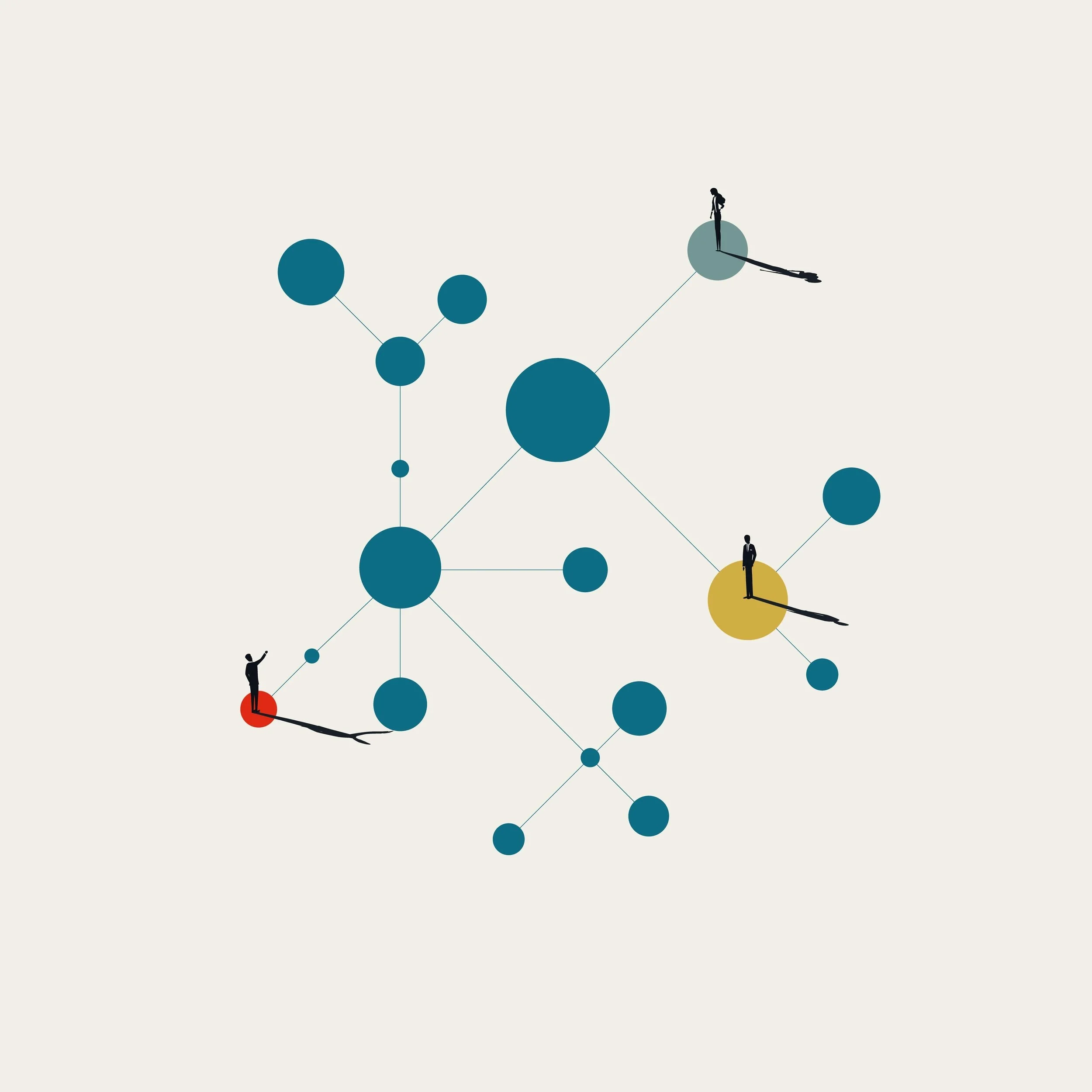
How simple changing the game can be
“Changing the game” can sound grand, like inventing a brand new industry but it can be far more practical and specific. Here are just three pretty straight-forward ways to find some Blue Ocean in your world.
1) Remove a Friction Everyone Has Accepted
Can you remove something customers have learned to endure in your sector or service? Such as:
opaque pricing
long lead times
confusing handovers
a lack of measurement
Fixing one entrenched irritation can create disproportionate demand because it stands out immediately.
2) Create a New Way to Buy
Sometimes the offer does not need to change, the buying model does.
subscription instead of one-off projects; one-off projects instead of subscriptions
productised entry points instead of bespoke proposals
modular services that can be bought or combined at will by your customers
Packaging and delivery design can elevate the product, and open up opportunities for people to buy it who couldn’t or didn’t, before - especially if that was the reason they weren’t buying.
3) Serve the “Non-Customer”
The obvious market is not the only market. Many categories ignore the people who would benefit if the offer were easier, smaller, faster, or less intimidating. If you create an offer that works for those people, you are no longer competing head-to-head. You are creating demand that was not already being served.
If changing the game is so valuable, why does everyone not do it?
I think, more often, its because it is not immediately rewarded in the same way that winning is.
Winning is quick and easy to measure. Changing the game is measurable later down the line:
a new segment takes time to form
a new proposition needs iteration
early signals are qualitative before they become quantitative
In many businesses, the operating cadence is geared to short-term metrics. That cadence unintentionally penalises exploration, so the work that could change the future is postponed in favour of work that wins the next quarter.
Related Journal Insights