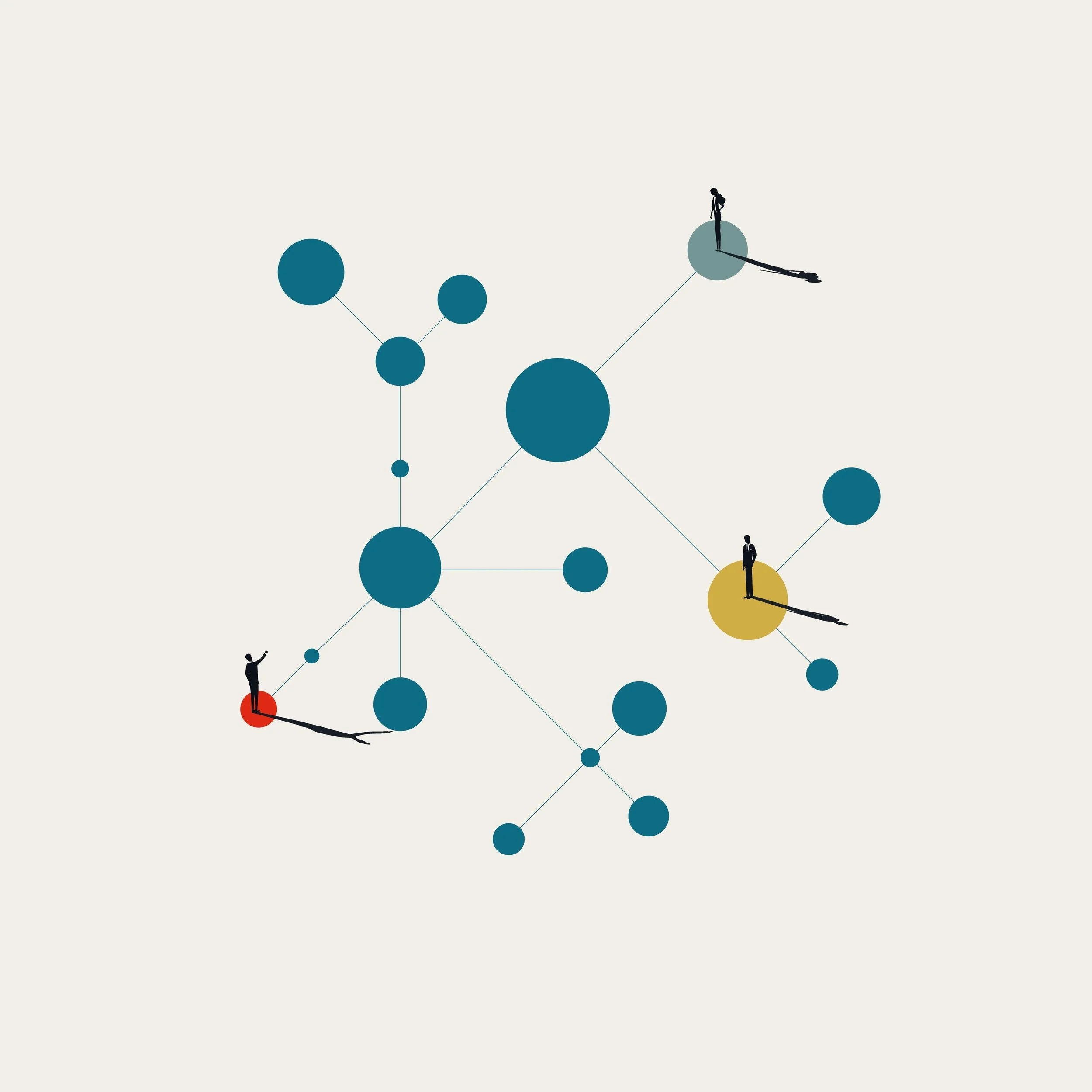
At its core, every business - regardless of industry, size, or model - is an exercise in how efficiently and effectively you can utilise resources to generate outcomes, deliver value, and create return.
It’s not just about what you do, but how well you play the game of resource exchange.
The smarter you are at playing this game, the better your chances of success.
Finite Resources
These are limited, measurable, and often the first to be depleted. They require careful management and strategic deployment:
Time – the most non-renewable asset
Money – the fuel for operations and growth
Space – physical or digital environments that can influence capacity
Things / Objects – products, ingredients, tools, materials, infrastructure
Freedom – the degree of autonomy within constraints
Energy – human, emotional, and operational stamina
Attention & Focus – the ability to direct cognitive effort
Decision-making – clarity and speed in choosing paths
Inspiration – the spark that initiates movement
Endurance – the staying power to see things through
Limitless Resources
These are expansive, renewable, and often under-leveraged. They can be cultivated and scaled, almost infinitely:
Memory – the ability to learn, reflect, and adapt
Love – care, commitment, and emotional investment
Skill – capabilities that grow with practice and intention
Knowledge / Knowing – understanding that deepens over time
Connectedness – relationships, networks, and resonance
The Smarter the Play, the Greater the Return
Business success isn’t just about having resources - it’s about how intelligently you combine, convert, and exchange them. The more strategic and creative you are in leveraging both finite and limitless resources, the more resilient, valuable, and impactful your business becomes.
Whether you're building a product, delivering a service, or shaping a brand, you're always playing this game. The better you understand the rules and dynamics of resource exchange, the better your chances of winning - on your own terms.
Related Journal Insights

The businesses that cope best right now are not the most polished; they are the most responsive. When you build that responsiveness into the way your business functions, uncertainty becomes something you work with, not something that works against you.
If you want to build space for thinking how to change the game, try these prompts in a leadership meeting, planning session, or strategy day. If you are a solopreneur, try them in a journal or a thinking walk.
“Changing the game” can sound grand, like inventing a brand new industry but it can be far more practical and specific. Here are just three pretty straight-forward ways to find some Blue Ocean in your world.
Fail fast everyone says. Often offered as a cure-all for uncertainty but I find this is unhelpful advice for many small businesses
You may not even need a tool. You may simply need to make the best use of the tools you already have. Sometimes the problem is not technological at all. The important thing is that the business need comes first.
Project accounting is the practice of tracking, managing, and reporting money at project level, rather than only at business, department, or cost-centre level.
Create capacity, improve customer experience, and raise quality by using the digital tools you already have, or choosing better ones with more knowledge and more confidence.
Testing ideas, trying new approaches, and learning from what happens are all essential. Without experimentation, innovation remains theoretical. But experimentation on its own is not innovation.
“Analysis” has a reputation problem. It is often positioned as the opposite of creativity, something you endure in order to get back to the interesting work. And yet, much meaningful innovation can come from understanding how things actually fit together.
I find it useful to think of your products as a ladder, with different products being relevant at different stages of a customer journey.
A strong demand pipeline is, and should be a confidence-generator; confidence that the business is on the right track, and well aligned to the needs of a target market. It can even show a business new target markets, if you know how to look well enough.